5 min read
The silent condition
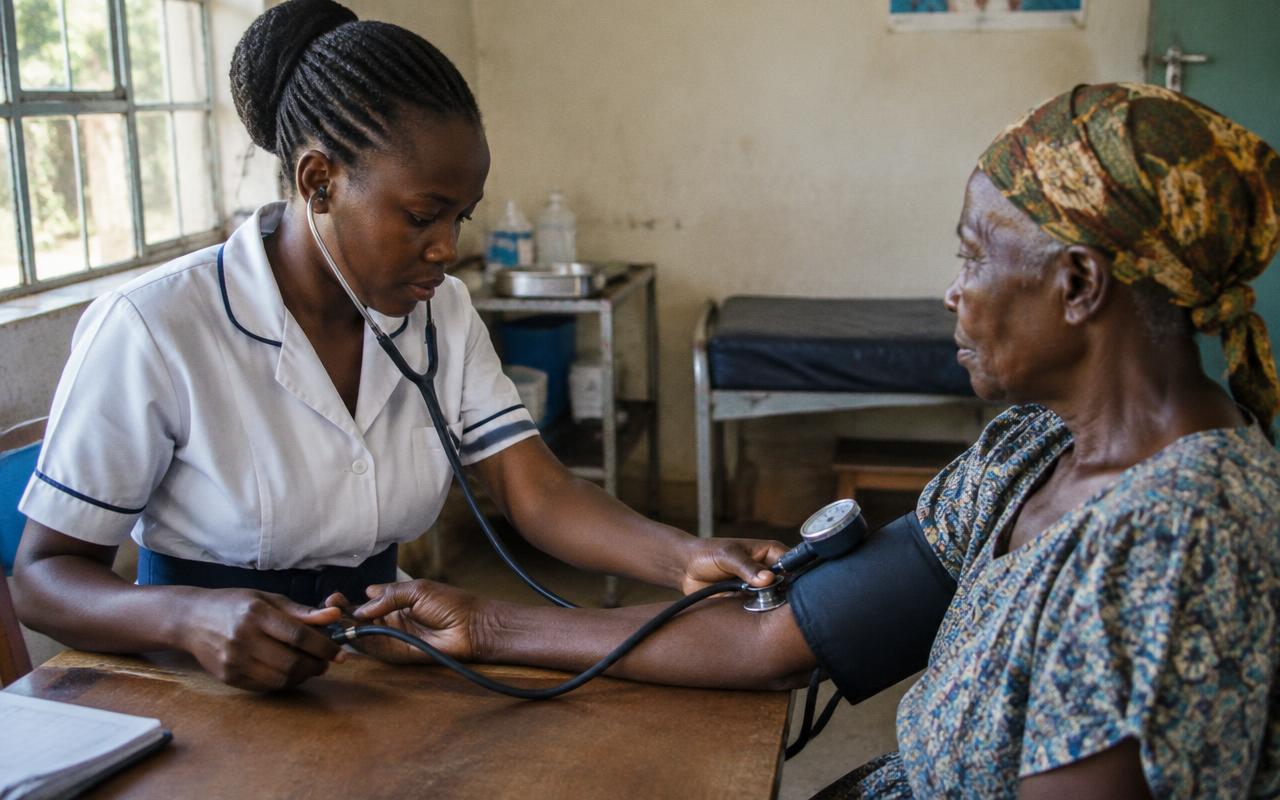
High blood pressure (hypertension) usually causes no symptoms, yet over time it strains the heart, kidneys, eyes and blood vessels, and is a leading cause of stroke. The only way to know is to have it measured.
What the numbers mean
Blood pressure is written as two numbers, such as 120/80.
- The top number is the pressure when the heart beats; the bottom is when it rests between beats.
- Below 120/80 is generally considered normal.
- 140/90 or higher on repeated checks usually means high blood pressure.
- One high reading is not a diagnosis — it should be rechecked on different days.
Lowering your blood pressure
Lifestyle changes help everyone, with or without medicine.
- Cut down on salt, salty snacks and stock cubes.
- Eat more vegetables, fruit and beans.
- Move most days, keep a healthy weight, and limit alcohol.
- Stop smoking and find ways to manage stress.
Taking medicine
If you are prescribed tablets, take them every day, even when you feel fine. Stopping suddenly can cause blood pressure to rise sharply. Bring all your medicines to each clinic visit.